October 6, 2026
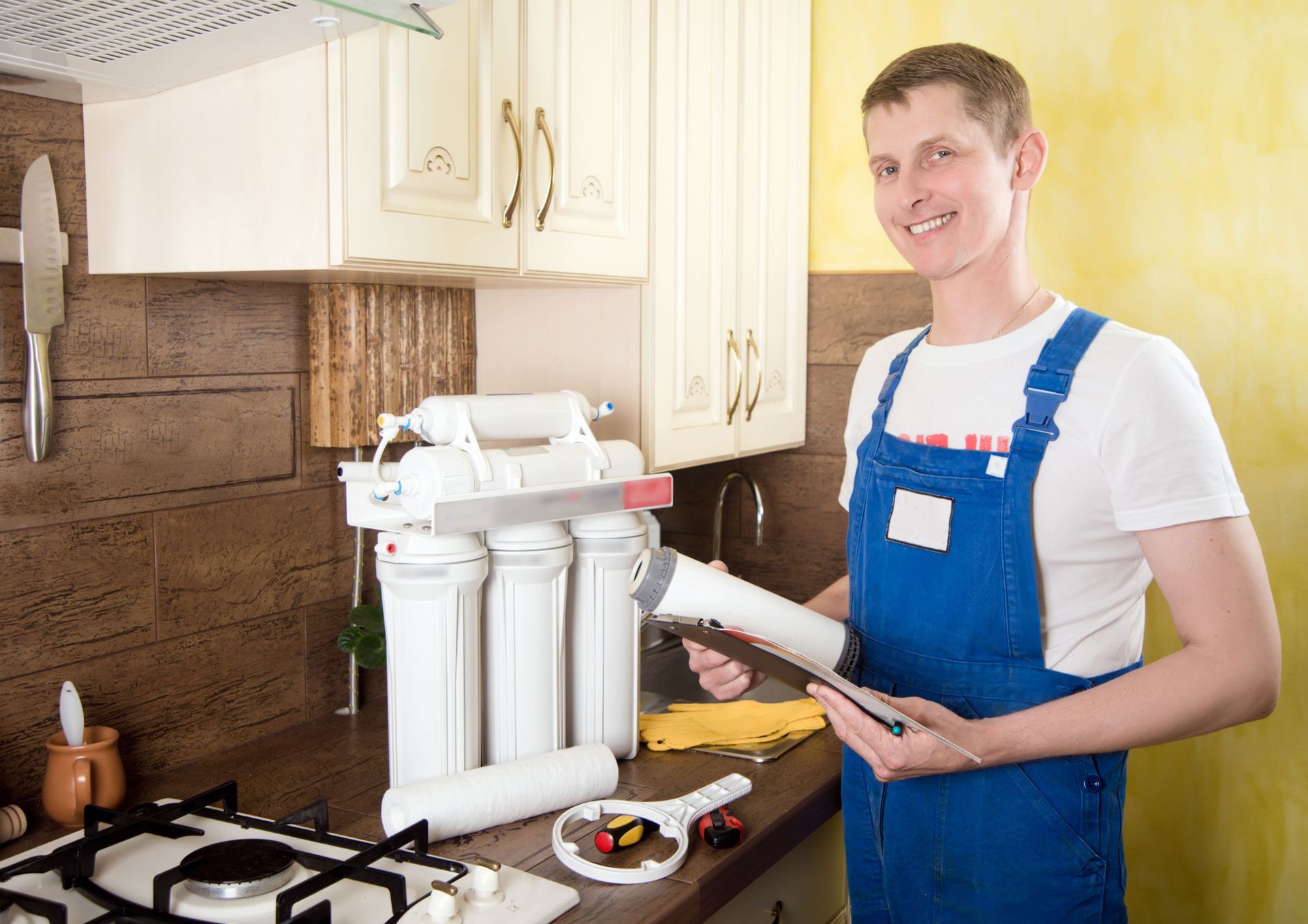
Advanced water treatment systems have become an essential safeguard in our homes, ensuring that the water we consume and use daily is free from hazardous contaminants. With more frequent reports of contaminated municipal water supplies and aging pipelines, the stakes are higher than ever for maintaining the overall health and well-being of our families. As households become increasingly aware of water safety, there has been a growing demand for robust residential treatment solutions that remove chemical and biological pollutants. Contamination not only poses immediate health risks like severe gastrointestinal distress, but it can also lead to long-term health complications such as organ damage or developmental delays in children. By investing in efficient residential water treatment systems, families can effectively shield themselves from a broad spectrum of potential illnesses and environmental toxins.
Identify the Primary Sources of Widespread Water Pollution
Water pollution sources are remarkably varied and can be caused by both natural processes and human activities. Industrial discharge is a primary contributor, releasing toxic chemicals and heavy metals into surrounding water bodies. Agricultural activities also contribute significantly through runoff containing synthetic pesticides and chemical fertilizers. Urbanization has further increased contamination levels due to improper waste disposal and unfiltered stormwater runoff. Recognizing these distinct sources helps bring clarity to the diverse range of pollutants that advanced filtration technology must address.
Naturally occurring pollution, while less publicized, can also drastically affect household water quality over time. Volcanic activity can introduce high levels of sulfur and trace metals into nearby aquatic systems and aquifers. Ground erosion and natural weathering processes release minerals that may compromise overall water safety and mineral balance. When combined with human activities, these natural sources exacerbate total pollution levels, necessitating more sophisticated water treatment solutions. Such multifaceted sources underline the absolute complexity and scope of modern household water purification.
The role of legislative policy and strict regulation is critical in addressing the varied sources of water pollution. Governments around the world have implemented stricter regulations to curb industrial and agricultural pollution. However, gaps in policy and enforcement can lead to continued contamination issues for residential neighborhoods. Collaborative efforts between industries, governments, and local communities are crucial to develop and invest in the necessary infrastructure and technology to mitigate these pollution sources. Public participation in advocacy and policy-making is equally important in creating sustainable solutions.
Evaluate the Health Risks Associated With Contaminated Supplies
The health implications of consuming contaminated water are vast, varied, and potentially severe. Immediate effects may include gastrointestinal diseases, such as severe diarrhea, caused by pathogenic microorganisms. Chronic exposure to certain chemicals, such as lead, can result in long-term health issues, including cognitive impairments in children and kidney damage in adults. Long-term contact with industrial pollutants like arsenic and nitrates is linked to cancer and severe cardiovascular problems. These documented health risks underscore the need for comprehensive treatment solutions that eliminate contaminants effectively.
Vulnerable populations, particularly young children and the elderly, are at a heightened risk from waterborne contaminants. Children's developing bodies are far more susceptible to permanent damage from chemical exposures, which can cause lifelong physical and cognitive consequences. For the elderly, naturally weakened immune systems can exacerbate the adverse effects of bacterial and viral infections from untreated sources. Protecting these vulnerable populations is a primary driver for enhancing residential water treatment methods. This stakeholder awareness further highlights the societal importance of accessible clean water.
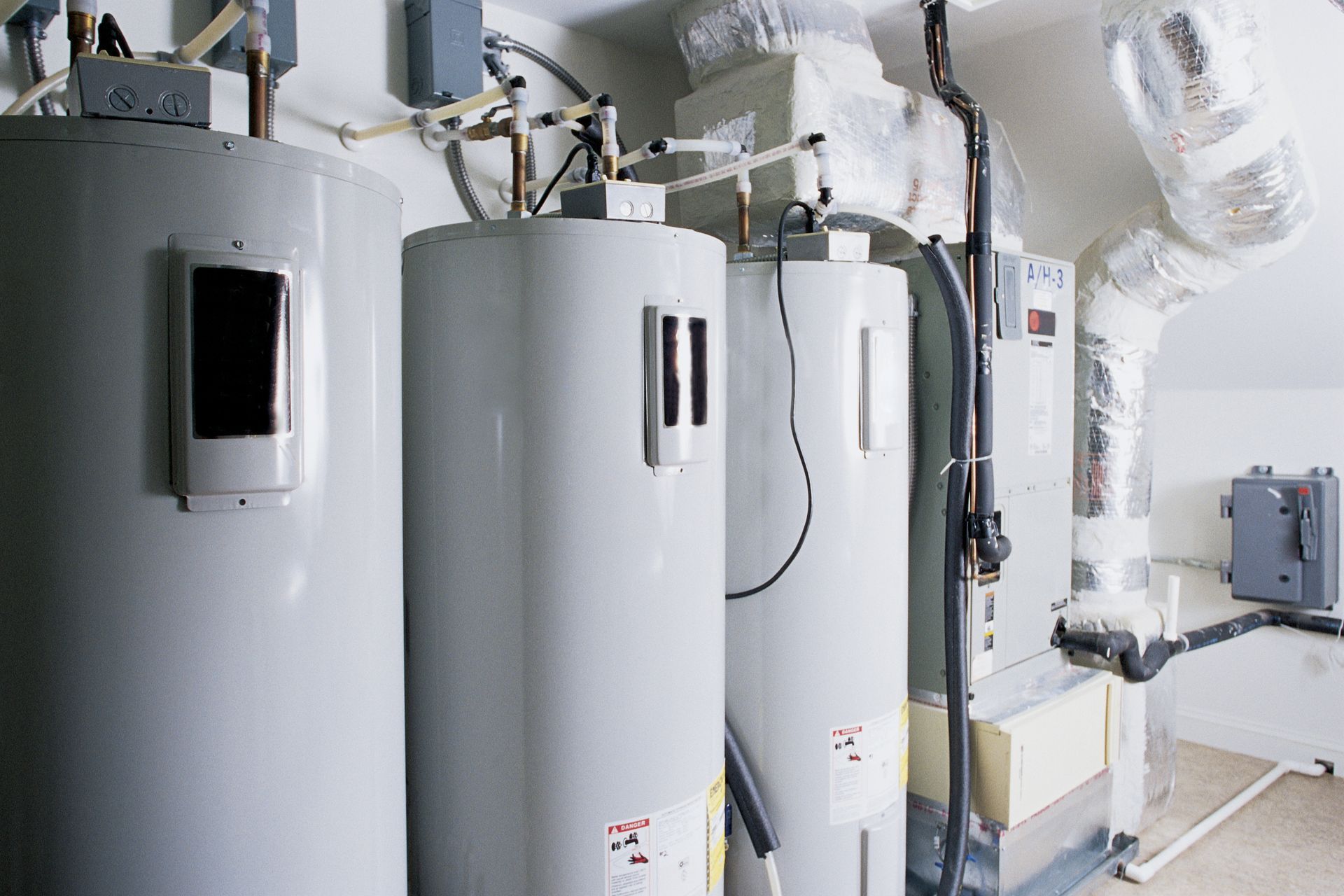
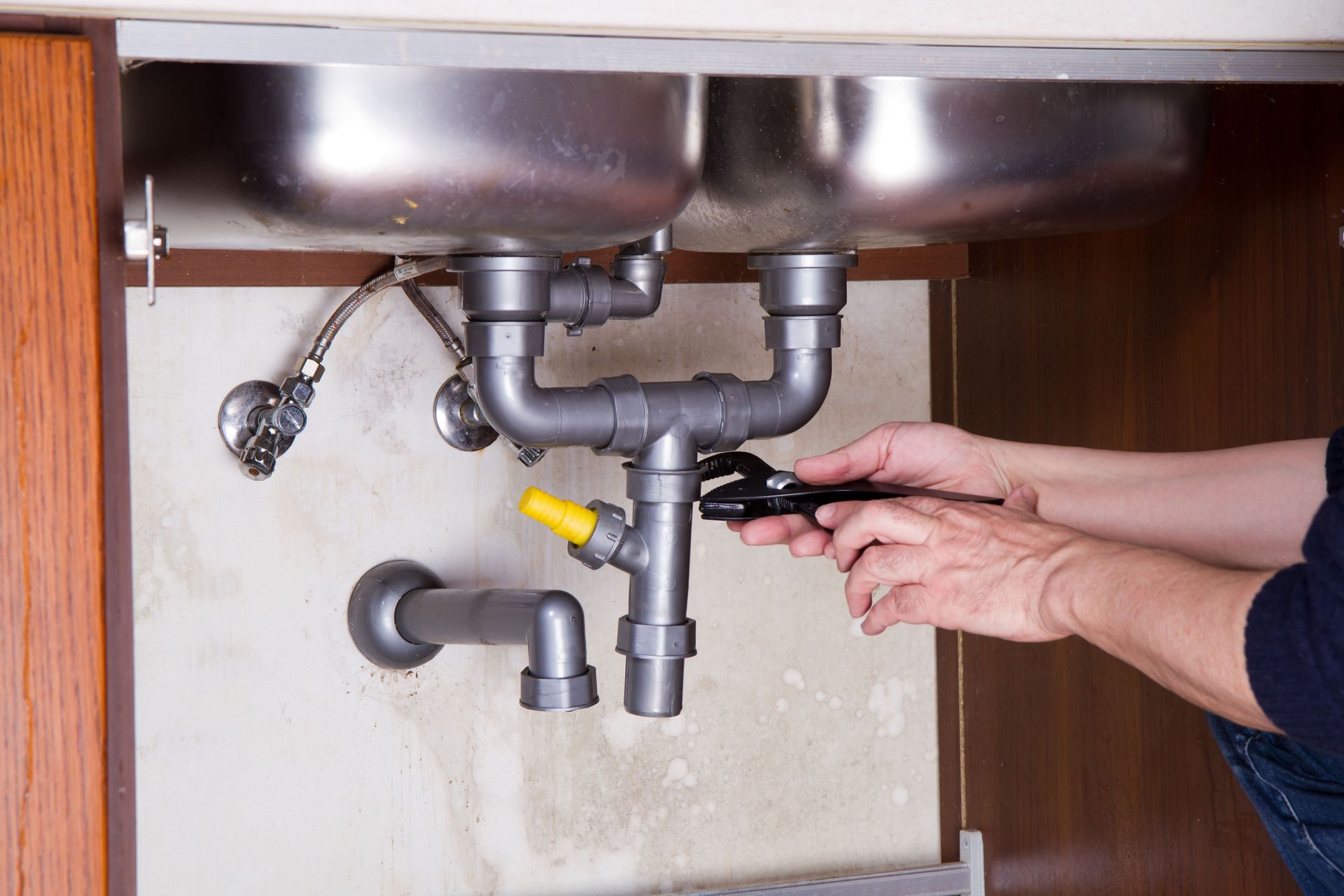
Moreover, there are indirect health risks and financial burdens associated with untreated water, such as emergency home plumbing failures. According to Forbes, emergency plumbing can cost up to three times more than a normal plumbing job. Preventative measures, such as installing modern filtration infrastructure, can mitigate these operational risks and associated emergency costs. Health and financial considerations jointly motivate proactive homeowners to prioritize overall water safety in their residences.
Explore the Science Behind Modern Water Purification
Water treatment processes are categorized into several systematic stages designed to remove distinct contaminants and ensure absolute safety. Primary treatment involves coagulation and flocculation, which aggregate finer particles into larger clumps for easier physical removal. This is followed by sedimentation, where these suspended particles settle at the bottom of a treatment tank. Secondary treatment often includes biological processes that decompose organic matter using beneficial microorganisms. Finally, tertiary treatment further improves water quality, often involving advanced filtration and chemical disinfection to eliminate any remaining trace pathogens.
The selection and combination of these treatment processes depend largely on the original source and intended use of the water supply. For example, surface water typically requires more extensive treatment compared to groundwater due to higher natural exposure to environmental pollutants. Each treatment stage is meticulously designed to address specific chemical or biological issues, ensuring comprehensive overall purification. This layered approach highlights the precision and specialization inherent in modern residential treatment technologies. The ultimate goal is to deliver water that consistently exceeds basic safety standards.
In understanding these multi-stage processes, it becomes evident that advanced methods are both preventative and corrective. They act to prevent potential health hazards by eliminating toxins before they ever reach the tap. Moreover, technologies such as activated carbon filters and ultraviolet disinfection are corrective measures that address unforeseen contamination surges in municipal lines. The integration of these processes ensures a sustainable and reliable supply of clean water, emphasizing both immediate safety and long-term health preservation.
Implement Key Technologies Used in Modern Systems
Modern water treatment systems employ a variety of complex technologies, each with distinct roles in purifying home water supplies. Membrane filtration, including reverse osmosis, is widely used to separate microscopic impurities based on their size, effectively removing dissolved mineral salts, toxic heavy metals, and bacteria. Activated carbon filtration absorbs organic contaminants and eliminates harsh chemical odors and metallic tastes, greatly enhancing overall water palatability. Advanced oxidation processes use specialized oxidants and catalysts to break down even the most resistant organic compounds, providing complete purification. These technologies exemplify the precision and adaptability characterizing modern treatment systems.
Ultraviolet disinfection is another pivotal technology that inactivates dangerous microorganisms using targeted light rays. It is favored for its ability to eliminate pathogens without the use of chemical disinfectants, which can leave lingering byproduct contaminants in treated water. Ultrafiltration uses hydrostatic pressure to force incoming water through semipermeable membranes, filtering out microscopic suspended particles and pathogens effortlessly. These technologies are often integrated into comprehensive whole-house systems that address multiple contamination issues simultaneously, maximizing household water safety.
While each technology has distinct strengths, the synergy of combined treatment processes offers the most reliable results for residential homes. Modern systems are increasingly adopting integrated configurations that bring together several mechanisms to address complex water quality challenges. This flexibility allows for complete customization based on specific municipal supply issues or well water parameters, ensuring optimized daily performance. Understanding these technologies helps families make informed decisions about their home water treatment options as innovation continues to redefine the landscape of clean water access.
To protect your home, preserve your health, and shield your plumbing infrastructure from severe long-term damage, taking action on your water quality is essential. Investing in comprehensive home water treatment safeguards your loved ones from hidden environmental contaminants and provides complete peace of mind with every glass. Do not wait for standard municipal warnings or costly pipe failures to evaluate what comes out of your faucets. Contact L&M Plumbing today to schedule a thorough water inspection and discover the ideal filtration solutions for your home.