September 4, 2026
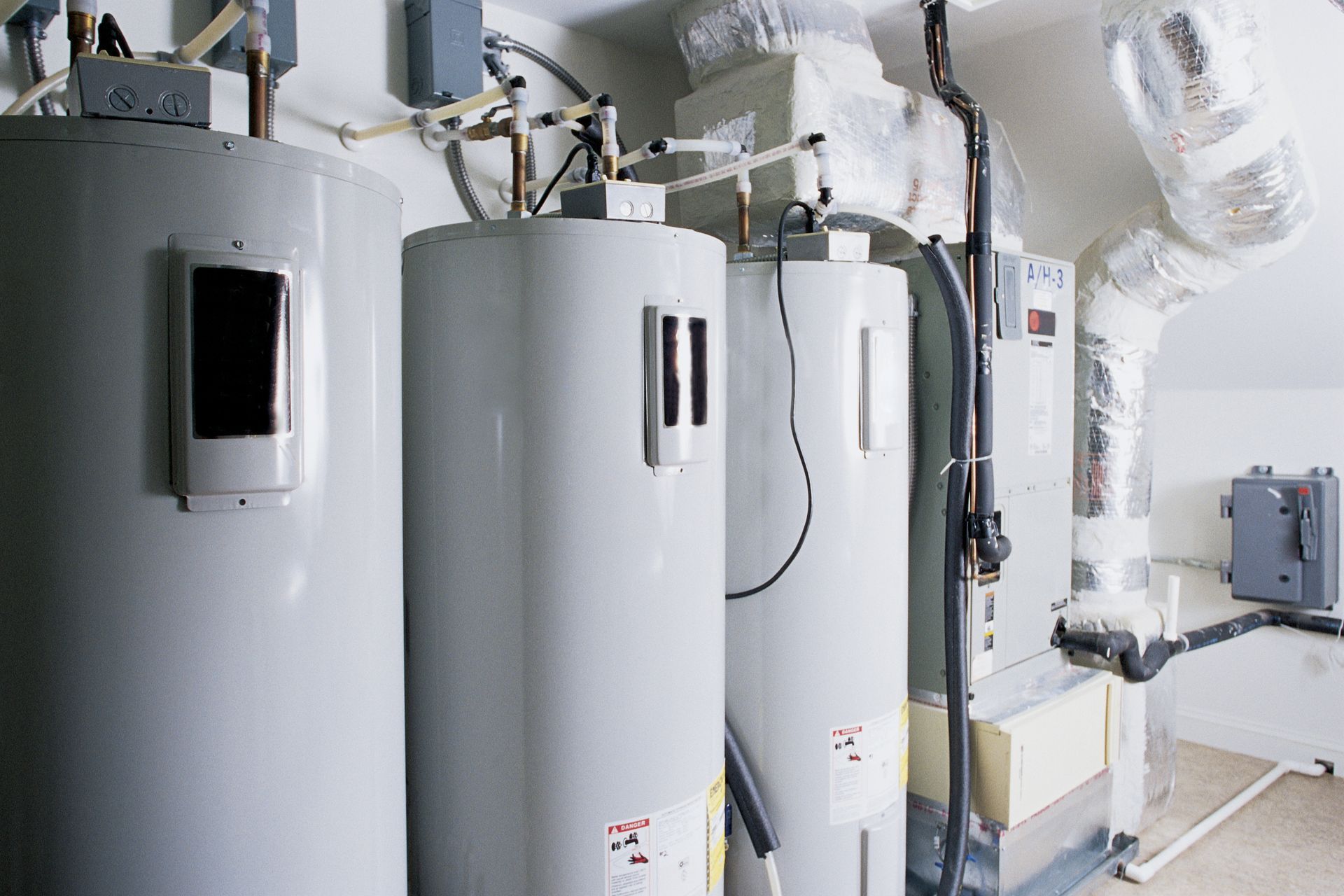
Hot water plays an important role in everyday household activities, from showering and washing dishes to doing laundry and cleaning. When a water heater begins to develop problems, the warning signs may initially seem minor. Temperature changes, unusual noises, leaks, discoloration, and higher energy bills can indicate that the system is no longer operating properly. Recognizing these changes early can help homeowners determine when water heater repair is necessary and avoid waiting until the unit stops working completely. Although some symptoms may have relatively simple causes, others can indicate significant wear or damage. Knowing what to watch for can make it easier to arrange professional service before a developing problem causes greater inconvenience or damage.
Noticing Inconsistent Water Temperatures
One of the most noticeable signs of a water heater problem is inconsistent temperature. Water may start hot but become lukewarm unusually quickly, or it may never reach the temperature homeowners expect. A failing heating element, thermostat problem, sediment buildup, or another worn component could be responsible. If adjusting normal settings does not correct the problem, water heater repair may be needed to determine why the unit is struggling to produce reliable hot water.
Temperature problems can interfere with showers, cleaning, laundry, and other household routines. They may also become progressively worse if the underlying issue is not addressed. Because several components affect water temperature, identifying the cause usually requires more than observing the symptoms. A professional can inspect the system, test its operation, and determine whether a component needs adjustment or replacement.
Hearing Unusual Noises
Some operational noise is normal, but loud popping, banging, rumbling, or crackling deserves attention. These sounds can occur when sediment and minerals accumulate at the bottom of a storage tank. Water trapped beneath these deposits may create noise as it heats. Unusual sounds can also result from aging or loose components, making an inspection useful when the noises persist or become louder.
Excessive sediment can interfere with heat transfer and place additional stress on the system. A water heater may continue producing hot water despite these noises, but continued operation does not necessarily mean the unit is functioning properly. Professional water heater repair can determine whether flushing the tank, servicing a component, or another measure is appropriate. Addressing unusual noises promptly may prevent the underlying problem from worsening.
Finding Water Around the Unit
Water or unexplained moisture around the unit should not be ignored. A leak can develop at a pipe connection, valve, fitting, or another component. In some cases, the tank itself may be damaged. Small leaks can initially appear as occasional damp spots, making them easy to overlook. Checking around the water heater periodically can help homeowners notice moisture before it spreads to nearby flooring, walls, or belongings.
Determining where a leak originates is important because different causes require different solutions. A loose connection may be relatively straightforward to correct, while corrosion or tank damage can present a more substantial problem. Scheduling water heater repair allows a professional to locate the source and evaluate the condition of the system. Prompt attention can also help limit water damage around the equipment.
Running Out of Hot Water Quickly
A noticeable reduction in available hot water can indicate declining performance. Showers may become cold sooner than usual, or the household may have difficulty completing several hot-water tasks consecutively. Sediment can reduce usable tank capacity, while failing heating components may increase recovery time. If household water usage has remained similar but the available supply has decreased, the system should be evaluated.
According to the U.S. Department of Energy, water heating makes up approximately 20% of the energy consumed in a typical home. A system that struggles to heat or maintain an adequate supply of water can therefore affect more than household convenience. A professional can determine whether buildup, worn components, controls, or another issue is affecting performance. Timely water heater repair can help address correctable problems and restore a more dependable hot-water supply.
Seeing Rusty or Discolored Water
Rusty, brown, or cloudy hot water can be another warning sign. Discoloration sometimes originates elsewhere in a home's plumbing, but a problem that occurs primarily with hot water may be connected to the water heater. Sediment, deterioration of the anode rod, or corrosion within the system can affect the appearance of water. Persistent discoloration should be investigated instead of being assumed to be harmless.
A professional can compare the home's hot and cold water and inspect the water heater to identify the likely source. Depending on the cause, flushing the tank or replacing a component may be appropriate. More extensive corrosion could indicate that the equipment is deteriorating. Water heater repair provides an opportunity to evaluate the system and determine whether correcting the problem or considering replacement makes more sense.
Detecting Unusual Odors
Hot water that develops an unpleasant or unfamiliar smell may indicate a problem inside the system. Homeowners sometimes notice sulfur-like, metallic, or other unusual odors. These smells can result from bacteria, mineral reactions, water chemistry, or conditions within the tank. Because several factors can affect water odor, identifying the source is important before deciding how the issue should be addressed.
Odors may occur along with discoloration, sediment, or temperature changes, providing additional clues about the problem. A professional can evaluate these symptoms together and inspect the system for possible causes. Depending on the findings, service may involve flushing the tank, replacing a component, or taking another corrective measure. Addressing the underlying condition is preferable to simply trying to conceal an unpleasant smell.
Watching Energy Costs Increase
Higher energy costs can have many causes, but declining water heater performance may be one of them. Sediment buildup, aging heating elements, thermostat problems, or general wear can cause a system to work harder to produce hot water. Homeowners may notice higher bills along with slower recovery, inconsistent temperatures, or other changes in performance. These combined symptoms can indicate that an inspection is warranted.
Reviewing recent energy bills and considering whether household habits have changed can help identify unusual patterns. If hot-water use has remained relatively consistent, a professional can evaluate whether the water heater is contributing to increased consumption. In some situations, water heater repair can correct a mechanical problem affecting performance. If the equipment is significantly deteriorated, replacement may instead be worth considering.
Recognizing an Aging System
Older water heaters naturally experience wear as components operate repeatedly over many years. Age does not automatically mean a system needs replacement, but older equipment can become more susceptible to corrosion, leaks, heating problems, and component failure. Homeowners who do not know the age of their water heater may be able to locate manufacturing information on the unit's label or identify it through the model and serial numbers.
An older unit deserves particular attention when several warning signs begin occurring together. Repeated service calls, leaks, unusual noises, inconsistent temperatures, or declining capacity can indicate broader deterioration. Professional evaluation can help determine whether another water heater repair is practical or whether replacement may be a better long-term option. Knowing the condition of an aging system also allows homeowners to plan rather than being surprised by a sudden failure.
Water heater problems do not always begin with a complete loss of hot water. Inconsistent temperatures, unusual noises, moisture, reduced capacity, discolored water, unpleasant odors, higher energy costs, and age can all provide earlier indications that something needs attention. Responding to these signs can help homeowners address problems before they create greater disruption or damage. A professional inspection can identify the source of the issue and determine whether service or replacement is appropriate. If you have noticed warning signs and believe your home may need water heater repair, contact L&M Plumbing to schedule service.